Method
The Magic50Method
We teach with the Magic50Method the 21st century skills — this is how we build leaders of tomorrow, equipping participants with an arsenal of tools and techniques that make them irreplaceable. It re-wires your thinking patterns to notice and observe more, come up with sharper solutions, and the ability to remain calm when the world loses its mind around you. You become efficient at learning everything — and that changes everything else.
Core elements
- —Tasks with real academic and intellectual substance
- —Structured task families
- —Differentiated competency levels
- —Peer teaching
- —Explaining and justifying together
- —Strength-based distribution of roles
- —Mistakes as valuable working material
- —Precise, continuous feedback
- —Pattern recognition and systems thinking
- —Purpose-driven work
- —Professional, clearly time-bound learning relationships
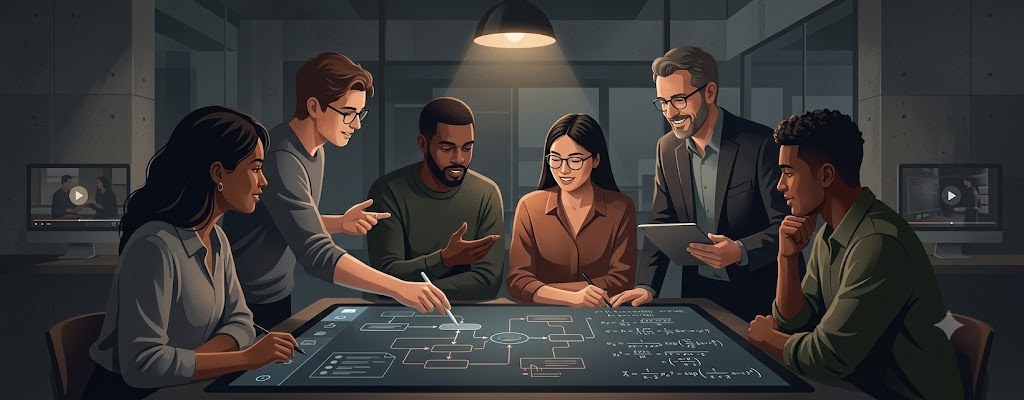
Flipped Classroom
In a traditional setup, students come together for a lecture and then go solve assignments alone at home — without support exactly when they need it most. The flipped classroom turns that around: lectures are watched in advance, at each student's own pace, pausing and rewatching as needed. Shared time is spent on what's actually hard — solving problems, asking questions, discussing together, with instructors and tutors there to help.
The story of the impossible exam
For exam material we deliberately chose tasks from Massachusetts Institute of Technology (MIT) courses — so extensive and demanding that even we didn't believe they were fully solvable. What's happened since has disproved that assumption, year after year — each cohort brings its own strengths and needs, and the program responds to them.
The first NUST cohort solves every IT task and completes the entire coding course. Every single student — including the pre-meds — passes at least one midterm per subject. More than we thought possible.
A new cohort with its own strengths: a few students complete the IT course in full and solve the code-related MIT midterms.
Personal Development & Leadership move to the center of the program for the first time, on equal footing with the academic subjects. The number of solved midterms keeps rising — and so do participants' CGPAs.
Dr. Fiaz Hussain Shah joins the team, and Personal Development now makes up 50% of the schedule. For the first time, every student solves every task in every subject — within three weeks.
The jump from 2024 to 2025 shows: the decisive lever was never just academic ability — it was the mental attitude students brought to a task.
How it works in 2026
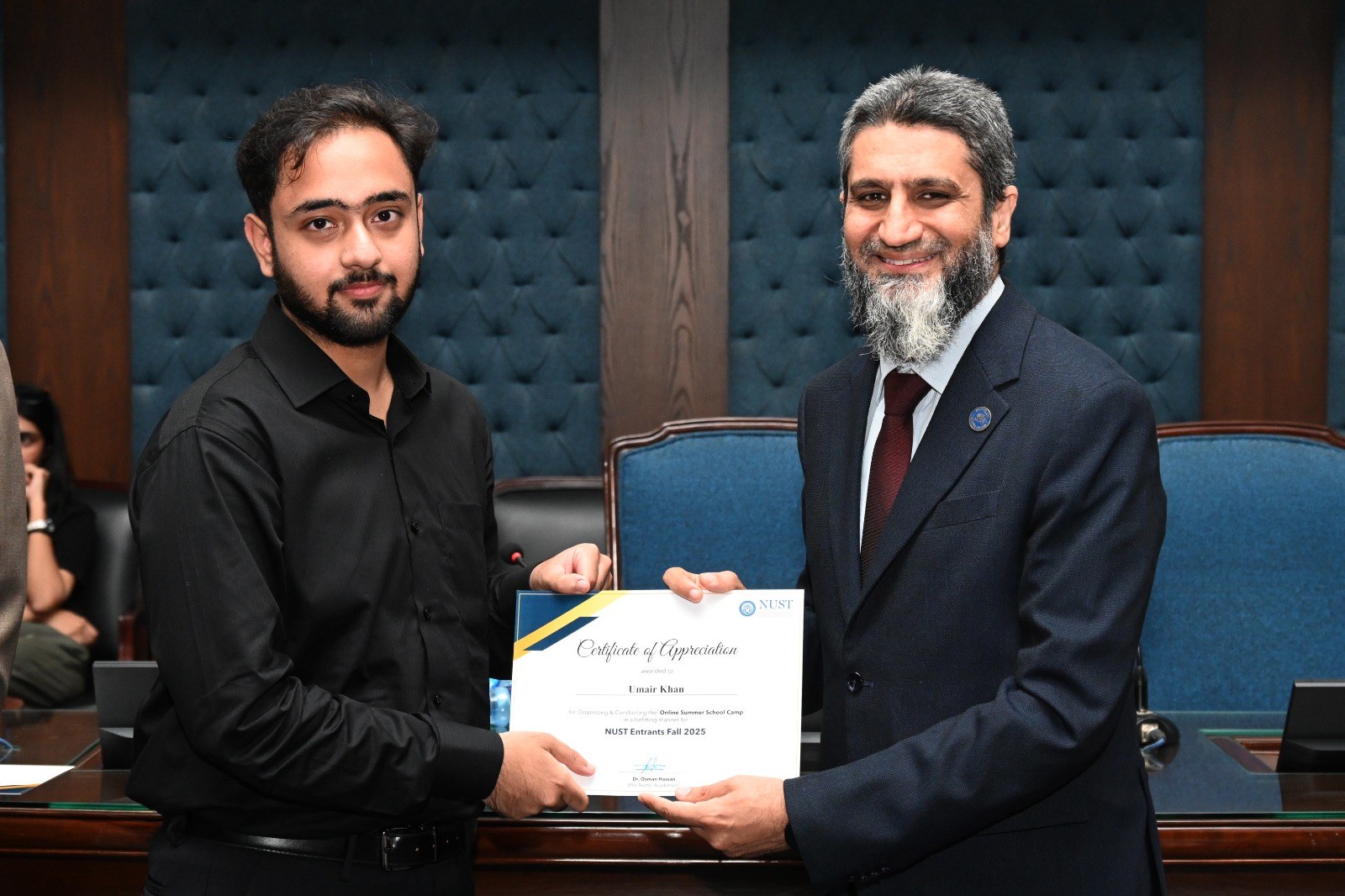
The courses run online in 2026 — Mathematics, Formal Methods, Rust Programming, Artificial Intelligence, and Personal Development & Leadership. All participants meet in person for the program's closing event. Participants work in small teams, in clearly defined roles, with regular presentation and explanation phases, with peer feedback and academic guidance — within a culture of respect, precision, and mutual support.
Role of the instructors
Instructors accompany the process as academic leaders, mentors, and structure-giving points of reference. They uphold high standards, independent thinking, and a professional learning culture.